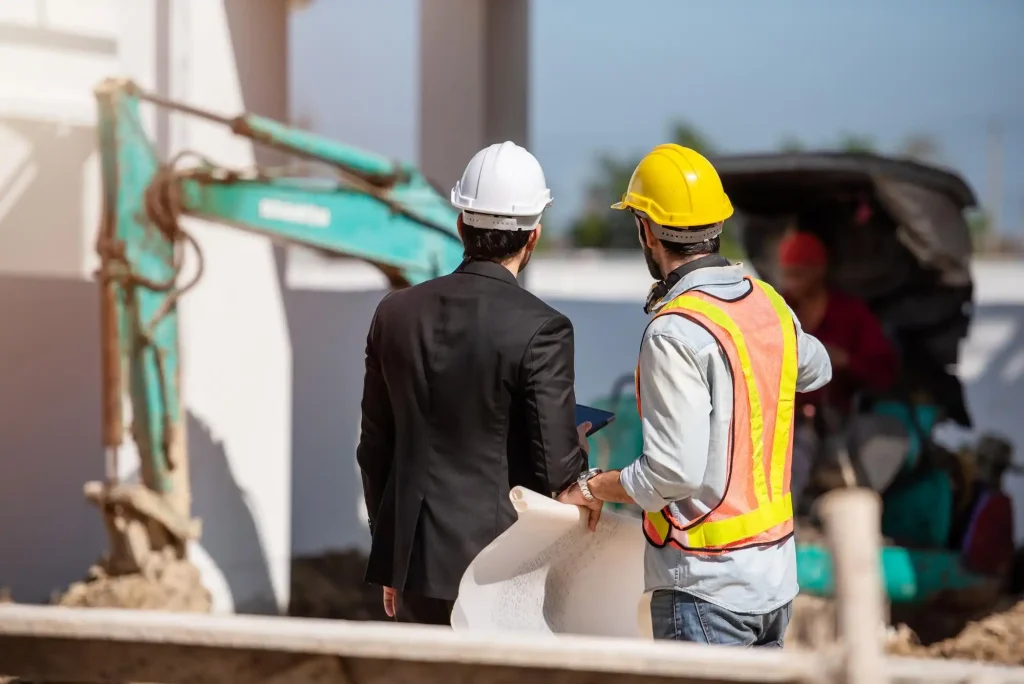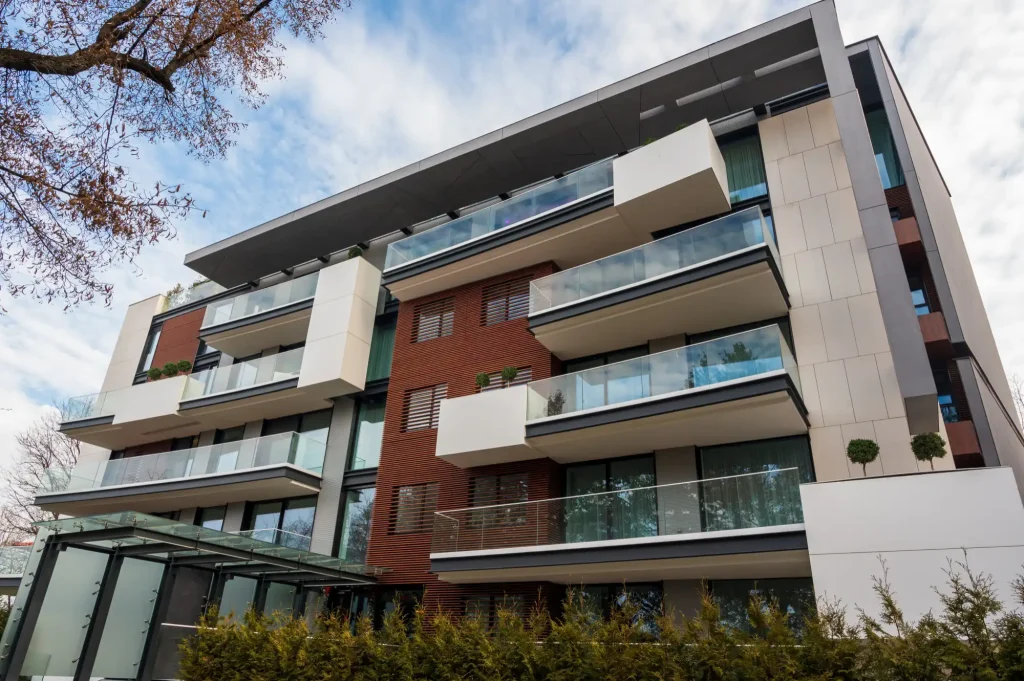
Choosing the right building materials is one of the most important decisions in any construction project. The materials you select will determine the strength, lifespan, maintenance cost, and overall value of your structure. Whether you’re building a home, office, or commercial space, balancing durability and affordability is key.
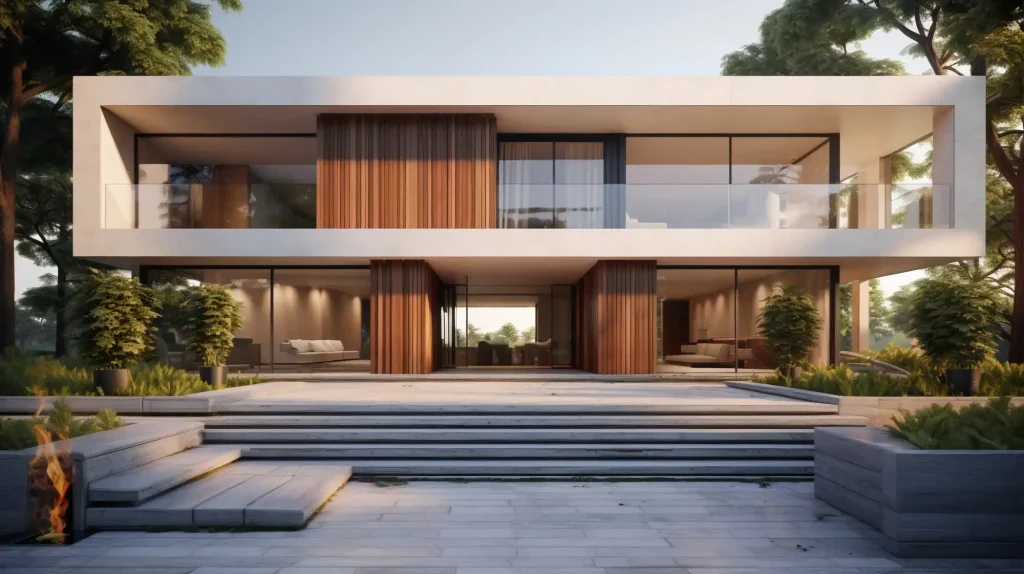
In this guide, we’ll explore the best building materials that offer long-lasting performance without breaking your budget.
1. Concrete (Highly Durable and Cost-Effective)
Concrete remains one of the most widely used construction materials in the world. It is strong, versatile, and relatively affordable.
Benefits:
- High strength and durability
- Resistant to fire, water, and pests
- Low maintenance
- Long lifespan
Best Use: Foundations, walls, slabs, and structural elements.
2. Cement Blocks (Affordable and Reliable)
Cement blocks (also known as concrete blocks) are a popular alternative to traditional bricks. They are cost-effective and provide excellent structural integrity.
Benefits:
- Cheaper than many alternatives
- Easy to install
- Good load-bearing capacity
- Fire resistant
Best Use: Wall construction for residential and commercial buildings.
3. Steel (Strong and Long-Lasting)
Steel is essential in modern construction due to its strength and flexibility. It is commonly used for reinforcement and structural frameworks.
Benefits:
- High strength-to-weight ratio
- Resistant to termites and rot
- Durable over long periods
- Recyclable
Best Use: Reinforcement (rebar), roofing structures, and high-rise buildings.
4. Timber (Affordable and Versatile)
Timber is a cost-effective and environmentally friendly option, especially for certain parts of construction.
Benefits:
- Easy to work with
- Lightweight
- Good insulation properties
- Renewable resource
Best Use: Roofing, framing, doors, and interior finishes.
5. Bricks (Classic and Durable)
Bricks have been used for centuries and remain a reliable building material due to their durability and aesthetic appeal.
Benefits:
- Long lifespan
- Fire and weather resistant
- Low maintenance
- Good thermal insulation
Best Use: Walls, facades, and decorative finishes.
6. Stone (Premium Durability)
Natural stone offers unmatched durability and a high-end finish. While slightly more expensive, it provides long-term value.
Benefits:
- Extremely durable
- Weather resistant
- Attractive appearance
- Minimal maintenance
Best Use: Foundations, cladding, and landscaping.
7. Roofing Sheets (Affordable Protection)
Roofing materials like aluminum or galvanized sheets are popular for their affordability and durability.
Benefits:
- Cost-effective
- Easy installation
- Weather resistant
- Lightweight
Best Use: Residential and commercial roofing.
8. Glass (Modern and Functional)
Glass is increasingly used in modern construction for aesthetics and functionality.
Benefits:
- Enhances natural lighting
- Energy-efficient options available
- Modern appearance
- Adds property value
Best Use: Windows, facades, and interior partitions.
Tips for Choosing the Right Materials
- Balance cost and quality: Don’t always go for the cheapest option—focus on long-term value.
- Consider climate: Choose materials suited to your environment.
- Work with professionals: Experienced builders can recommend the best materials for your project.
- Think long-term: Durable materials reduce maintenance and repair costs over time.
Conclusion
Selecting the best building materials is crucial for achieving a durable and affordable construction project. Materials like concrete, cement blocks, steel, and timber offer the perfect balance of strength, cost-effectiveness, and longevity.
By making smart choices from the start, you can save money, reduce maintenance, and ensure your building stands strong for years to come.
Keywords: building materials, durable construction, affordable construction materials, best materials for building, construction tips, modern building materials