
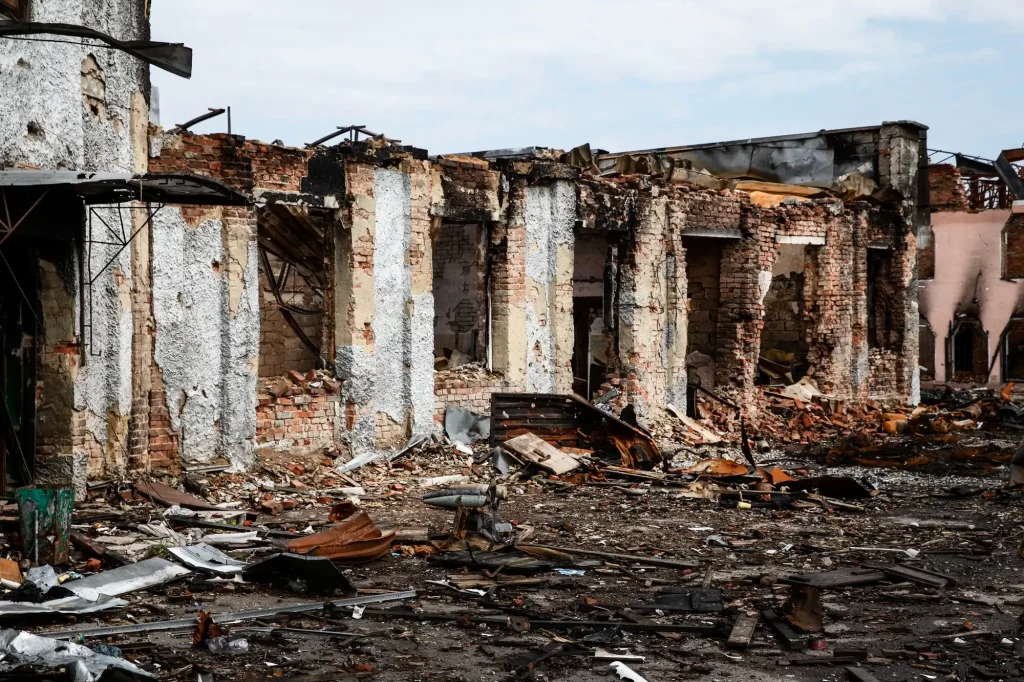
When it comes to construction, even small mistakes can lead to serious financial losses, delays, and structural issues. Whether you’re building a home or managing a commercial project, avoiding common construction errors is essential for success.
In this guide, we’ll highlight costly building mistakes and how you can avoid them to ensure a smooth and efficient construction process.
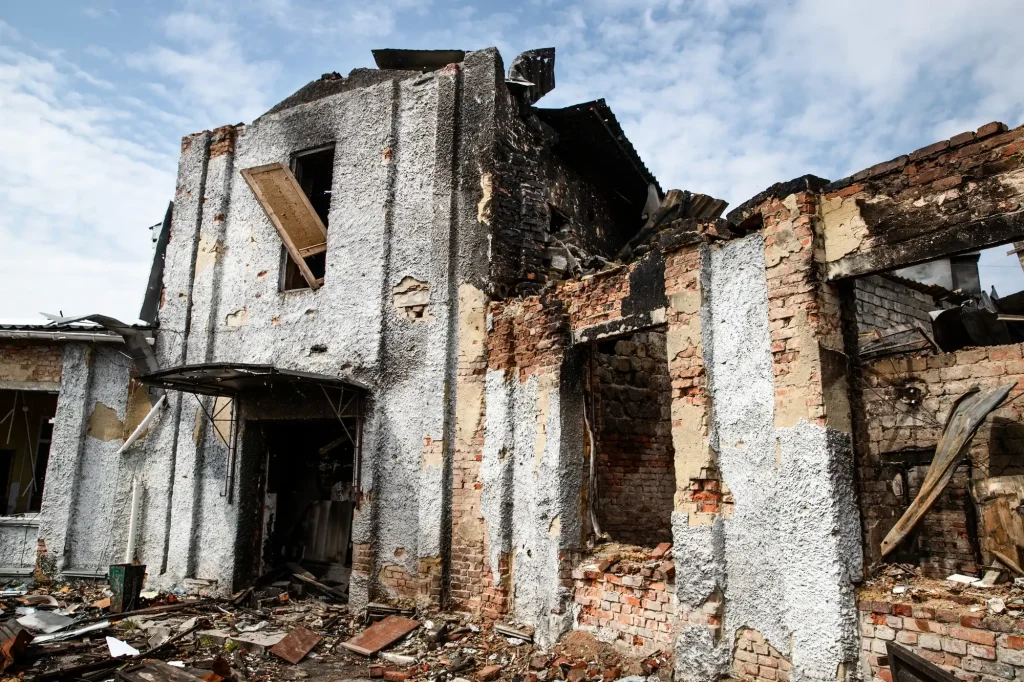
1. Poor Planning and Budgeting
One of the biggest mistakes in construction is starting without a clear plan or realistic budget.
Why it’s a problem:
- Leads to unexpected expenses
- Causes project delays
- Results in incomplete or low-quality work
How to avoid it:
- Create a detailed construction plan
- Work with professionals to estimate accurate costs
- Include a contingency budget (10–20% extra)
2. Choosing the Wrong Contractor
Hiring inexperienced or unqualified contractors can ruin your entire project.
Why it’s a problem:
- Poor workmanship
- Missed deadlines
- Increased repair costs
How to avoid it:
- Check past projects and reviews
- Verify licenses and experience
- Use a trusted construction company
3. Using Low-Quality Materials
Trying to save money by choosing cheap materials often leads to higher costs in the long run.
Why it’s a problem:
- Reduces building lifespan
- Increases maintenance costs
- Compromises safety
How to avoid it:
- Invest in quality materials
- Buy from trusted suppliers
- Focus on long-term durability over short-term savings
4. Ignoring Soil Testing
Skipping soil testing before construction can lead to serious foundation issues.
Why it’s a problem:
- Weak foundation
- Structural cracks
- Risk of building collapse
How to avoid it:
- Conduct proper soil analysis
- Work with structural engineers
- Choose the right foundation type
5. Poor Site Supervision
Lack of supervision can result in errors going unnoticed until it’s too late.
Why it’s a problem:
- Work not done according to plan
- Increased material waste
- Delays and rework
How to avoid it:
- Hire a project manager or site supervisor
- Monitor progress regularly
- Ensure quality control at every stage
6. Not Following Building Regulations
Ignoring local building codes and regulations can lead to legal issues and demolition orders.
Why it’s a problem:
- Legal penalties
- Project shutdown
- Unsafe structures
How to avoid it:
- Get all necessary approvals
- Follow local building laws
- Work with licensed professionals
7. Poor Communication
Miscommunication between clients, contractors, and workers often leads to costly mistakes.
Why it’s a problem:
- Wrong execution of plans
- Confusion on site
- Delays and errors
How to avoid it:
- Maintain clear communication
- Hold regular site meetings
- Document instructions and changes
8. Unrealistic Timelines
Rushing a construction project can compromise quality and increase costs.
Why it’s a problem:
- Poor workmanship
- Increased stress on workers
- Higher chances of mistakes
How to avoid it:
- Set realistic deadlines
- Allow time for each construction phase
- Focus on quality over speed
9. Skipping Proper Foundation Work
The foundation is the backbone of any building. Cutting corners here is a costly mistake.
Why it’s a problem:
- Structural instability
- Cracks and settlement issues
- Expensive repairs
How to avoid it:
- Invest in proper foundation work
- Use qualified engineers
- Ensure quality materials are used
10. Lack of Future Planning
Failing to plan for future needs can limit your building’s usability.
Why it’s a problem:
- Costly renovations later
- Limited space or functionality
- Reduced property value
How to avoid it:
- Plan for expansion
- Consider future lifestyle or business needs
- Design flexible spaces
Conclusion
Avoiding common construction mistakes can save you time, money, and stress. From proper planning and budgeting to choosing the right materials and professionals, every step plays a crucial role in the success of your project.
A well-executed construction project not only ensures durability but also increases the long-term value of your investment.